Rockhead Cat: A Serif Font That Elevates Web Design
Recently, I was working on a boutique online store’s homepage redesign. The client wanted something that felt personal, artistic, and trustworthy. After testing several fonts, I landed on Rockhead Cat. It wasn’t just the aesthetic—it was how it fit into the overall design language of the site.
The First Impression: A Handwritten Serif with Soul
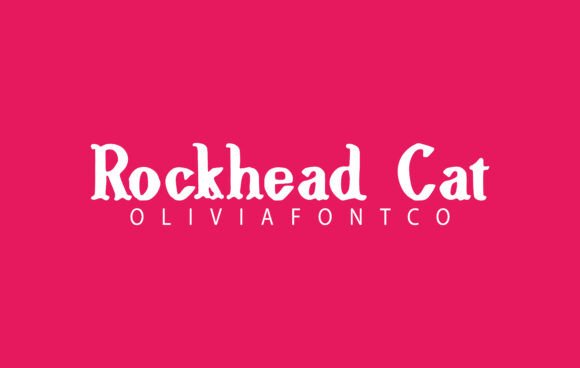
Rockhead Cat is an authentic handwritten font with a romantic touch. Its serif style gives it a classic feel, while its handcrafted nature adds warmth and character. The letterforms are elegant yet approachable, making it ideal for both digital and print use. When I first placed it over a product image in the hero section, it immediately caught the eye without overwhelming the layout.
What stood out was its personality. It feels like a conversation between the designer and the viewer. It’s not just a font—it’s a style choice that communicates creativity and care. This makes it perfect for creative portfolios, branding kits, or any project where the visual identity needs to feel intentional and expressive.
Testing Readability: From Desktop to Mobile
I started by using Rockhead Cat in the header of the homepage. It worked well at larger sizes, but I noticed that on smaller screens, especially on mobile, the text became slightly less legible. This is common with decorative fonts, but it’s important to test carefully.
To address this, I adjusted the line spacing and ensured there was enough contrast between the font color and background. I also tested it against different backgrounds—light, dark, and even image overlays—to see how it performed. On a dark background with light text, Rockhead Cat shone through, maintaining readability and visual interest.
For smaller elements like buttons and call-to-action sections, I used a lighter weight version of the font. This helped maintain clarity while keeping the design cohesive. It’s a good reminder that even a beautiful font can be functional when paired with thoughtful typography choices.
Font Pairing: Balancing Decorative and Practical Typography
Rockhead Cat works best when paired with a simpler sans serif font for body copy. I used a clean, modern sans-serif for the product descriptions and other supporting text, which created a nice contrast. This pairing allows the decorative elements to stand out without overshadowing the content.
It’s also great for logos and brand headers. When designing a logo for a boutique brand, I used Rockhead Cat as the primary typeface, complemented by a secondary sans-serif font for tags and subtext. This balance helps maintain visual hierarchy and ensures the brand remains accessible across all platforms.
For blog headers or promotional landing pages, Rockhead Cat can serve as a bold statement. I used it for the headline on a course sales page, and it immediately set the tone—warm, inviting, and engaging. It’s a font that commands attention without being too flashy.
Real-World Applications: Where Rockhead Cat Shines
Rockhead Cat has a wide range of applications. It’s excellent for:
- Hero sections on websites, especially those with a creative or artisanal vibe.
- Call-to-action buttons that need to stand out but remain readable.
- Blog headers or social media graphics that require a unique visual identity.
- Product landing pages where the font can enhance the emotional appeal of the offering.
- Coaching websites or portfolio sites that want to convey authenticity and professionalism.
- Brand kits and digital assets that need a consistent, memorable look.
Its versatility makes it a valuable addition to any designer’s toolkit. Whether you’re building a small business website or a high-end SaaS product, Rockhead Cat can help elevate the visual experience.
Technical Considerations: Fonts for the Web
Before finalizing the font for the project, I made sure to check its technical specifications. Rockhead Cat includes webfont support, which is essential for responsive layouts. It comes in multiple weights and styles, allowing for flexibility in design.
I also verified that it supports multilingual characters and has commercial licensing options, which is crucial for clients who plan to use the font across various platforms and formats. Ensuring these details are covered helps avoid potential issues down the line.
When implementing the font, I used a webfont service to ensure fast loading times and cross-browser compatibility. This is especially important for performance-driven websites where user engagement depends on quick load speeds.
Conclusion: A Font That Adds Value
Rockhead Cat isn’t just another serif font—it’s a tool that brings personality and purpose to your design. It’s a great choice for designers looking to create a more polished, emotionally resonant online brand experience. Whether you’re working on a boutique store, a coaching site, or a creative portfolio, Rockhead Cat has the potential to make your project stand out.